
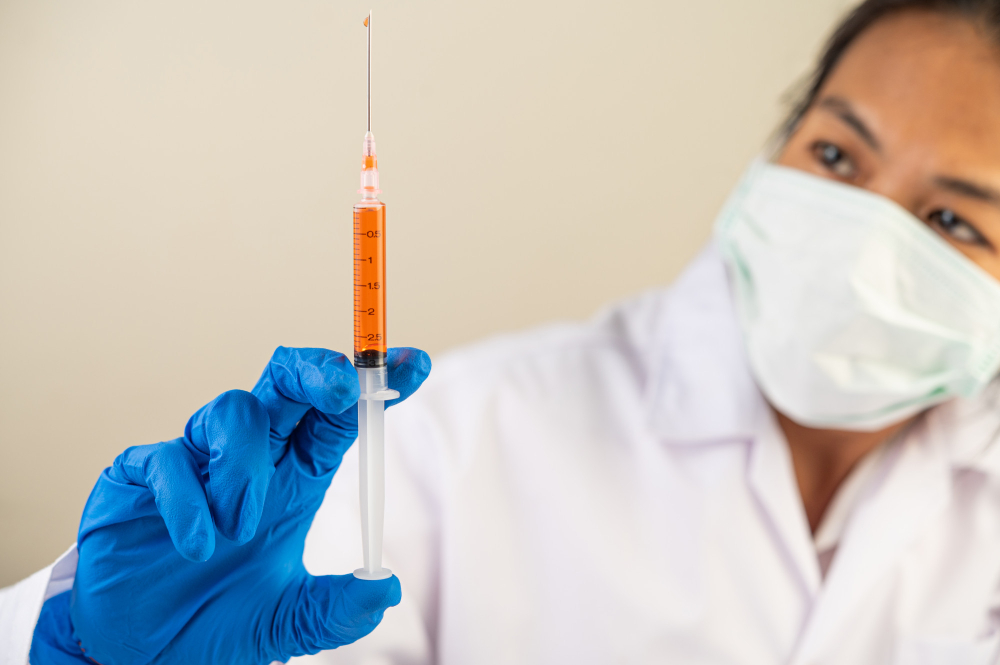
What is FNAC?
FNAC stands for Fine Needle Aspiration Cytology. It is a simple and quick test. Doctors use the FNAC procedure to collect small samples from lumps or swellings in the body. Often, the FNAC test helps to find out if a lump is harmless or if it needs more attention. Because it uses a thin needle, the test is less painful than other methods. Many people call it the fine needle aspiration cytology test.
Why is FNAC Performed?
Doctors recommend FNAC for several reasons. Usually, it helps to check lumps or swellings under the skin. Sometimes, it is used to examine organs like the thyroid, breast, or lymph nodes. For example, if you have a new lump, your doctor may suggest an FNAC test to find out what it is. In addition, FNAC can help guide treatment plans.
How is the FNAC Procedure Done?
The FNAC procedure is simple and quick. First, the doctor cleans the area with an antiseptic. Then, a thin needle is gently inserted into the lump or swelling. The doctor moves the needle back and forth to collect cells. After that, the needle is removed, and a small bandage is placed on the site. Usually, the whole process takes less than 15 minutes.
Sometimes, doctors use ultrasound to guide the needle. This helps them reach the right spot, especially if the lump is deep inside the body.
Benefits and Risks of FNAC
FNAC offers many benefits. First, it is a quick and safe test. Also, it causes little pain and leaves no scar. Because it uses a thin needle, the risk of infection is low. In most cases, you can return to your normal activities right away.
However, like any test, FNAC has some risks. Rarely, you may have mild bleeding or bruising. In a few cases, the sample may not be enough, and the test may need to be repeated. But serious problems are very rare.
Preparing for an FNAC Test
Most people do not need special preparation for an FNAC test. Still, it is good to follow your doctor’s advice. Sometimes, you may be asked to avoid certain medicines, such as blood thinners. If you have allergies or bleeding problems, tell your doctor before the test. Also, wear loose clothing so the doctor can reach the area easily.
What to Expect During and After FNAC
During the FNAC procedure, you may feel a quick pinch or mild discomfort. However, the pain is usually brief. After the test, you can go home right away. Sometimes, there may be slight swelling or bruising at the site. This usually goes away in a day or two. If you notice heavy bleeding, redness, or pain that does not stop, contact your doctor.
FNAC results are often ready within a few days. Your doctor will explain what the results mean and discuss the next steps with you.
Frequently Asked Questions about FNAC
Conclusion
FNAC is a safe, quick, and helpful test for checking lumps or swellings. It helps doctors make the right diagnosis and plan treatment. If you have questions about the FNAC procedure or your results, consult a qualified healthcare provider for personalized advice about FNAC.