Introduction
An absent nasal bone in fetal medicine means the baby’s nose bone is not seen on an ultrasound. This finding can be important during pregnancy. Early and accurate diagnosis helps doctors give the best advice. For many parents, understanding this topic brings peace of mind. In this blog, we explain what an absent nasal bone means, how it is diagnosed, and why it matters.
What Is an Absent Nasal Bone?
The nasal bone is a small bone in the baby’s nose. During pregnancy, doctors often check for it using ultrasound. Sometimes, the nasal bone does not show up. This is called an absent nasal bone. It can happen for different reasons. For example, it may be due to how the baby is lying or the stage of pregnancy. However, in some cases, it may be linked to certain genetic conditions.
Why Is Diagnosis Important in Fetal Medicine?
Early diagnosis helps doctors and parents make informed choices. For instance, an absent nasal bone can be a sign of some genetic conditions, such as Down syndrome. But, not all babies with an absent nasal bone have health problems. Because of this, doctors use other tests to get a clearer picture. Accurate diagnosis also helps avoid unnecessary worry. In addition, it guides the next steps in care.
How Is an Absent Nasal Bone Diagnosed?
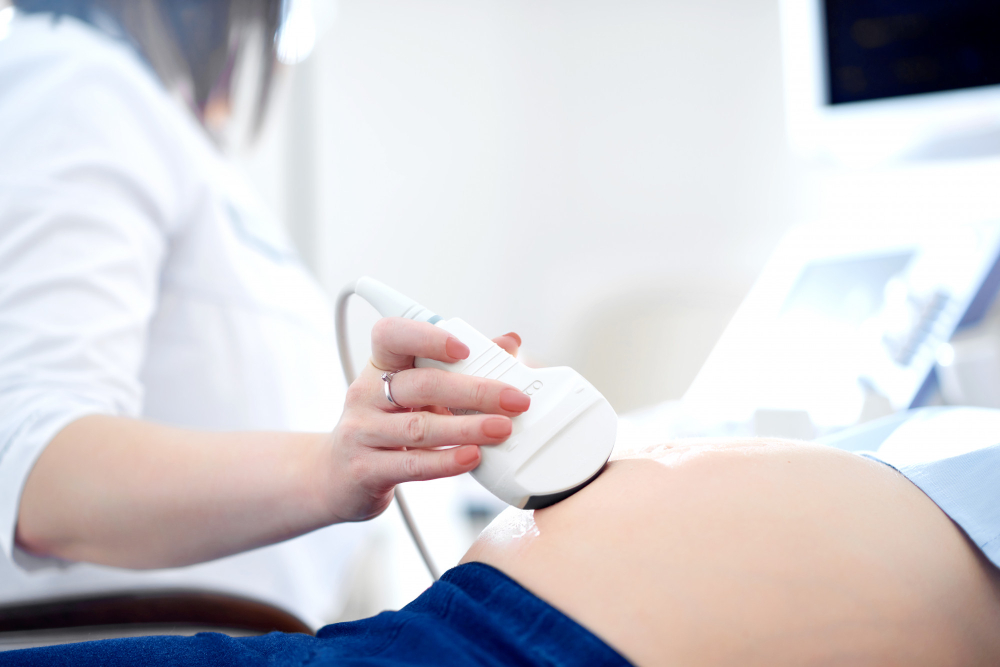
Doctors use ultrasound diagnosis of absent nasal bone during pregnancy. Usually, this check happens between 11 and 14 weeks. This is part of the first-trimester scan. During the scan, the doctor looks at the baby’s face. If the nasal bone is not seen, they may repeat the scan later. Sometimes, the baby’s position makes it hard to see the bone. In such cases, a follow-up scan helps.
Moreover, if the nasal bone is absent, doctors may suggest more tests. For example, prenatal screening for nasal bone absence can include blood tests or genetic testing. These help confirm if there are any other concerns.
What Are the Implications of the Diagnosis?
Finding an absent nasal bone does not always mean there is a problem. However, it can be a marker for genetic conditions. For example, it is sometimes linked to Down syndrome. Still, many healthy babies may also have this finding. Because of this, doctors look at other signs and test results. If needed, they may suggest further checks. Early diagnosis helps parents prepare and make informed choices. It also allows doctors to plan the best care for the baby.
Frequently Asked Questions (FAQ)
Conclusion
In summary, an absent nasal bone is a finding that needs careful assessment. Early and accurate diagnosis helps parents and doctors make the best choices. If you have concerns, consult a fetal medicine specialist for personalized advice and further evaluation.