NIPT (Non-Invasive Prenatal Test) is a simple blood test for pregnant women. It checks for certain genetic conditions in a baby before birth. Because it is non-invasive, there is no risk to the baby. Many parents choose NIPT for early answers about their baby’s health. In this guide, you will learn what NIPT is, how it works, and why it matters. We will also discuss NIPT accuracy, the test process, and NIPT safety. This information will help you make informed choices during pregnancy.
What is NIPT (Non-Invasive Prenatal Test)?
NIPT stands for Non-Invasive Prenatal Test. It is a screening test done during pregnancy. The test looks for extra or missing chromosomes in the baby’s DNA. For example, it can check for Down syndrome, Edwards syndrome, and Patau syndrome. Unlike older tests, NIPT uses a blood sample from the mother. Therefore, it does not harm the baby. According to the CDC, NIPT is becoming more common because it is safe and accurate.
How Does NIPT Work?
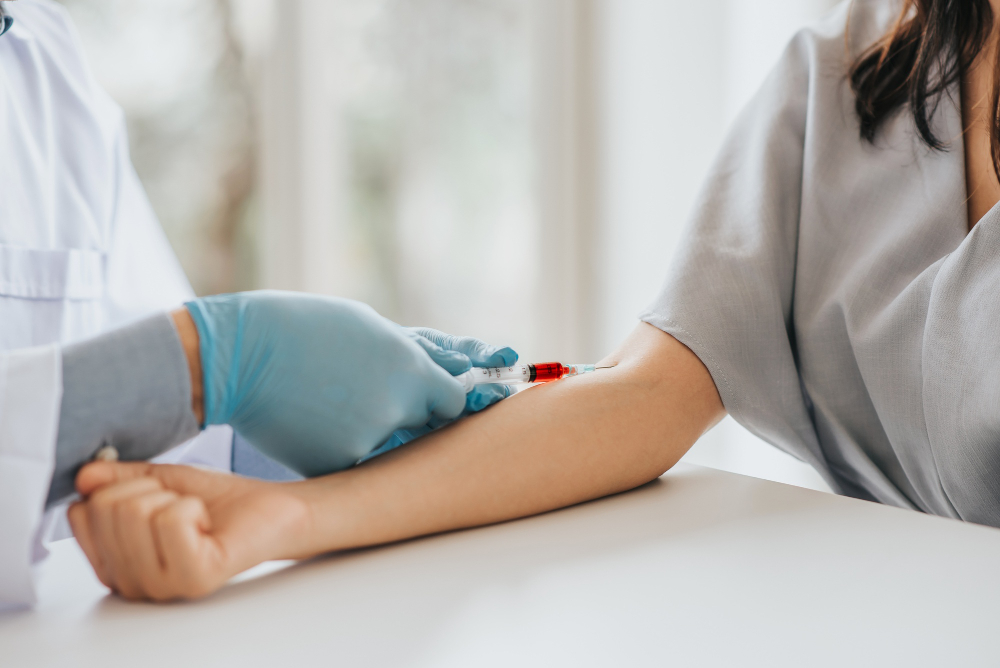
During pregnancy, small pieces of the baby’s DNA enter the mother’s blood. NIPT uses this DNA to check for genetic conditions. The process is simple:
Because NIPT is a non-invasive prenatal screening, there is no need for needles near the baby. This makes the NIPT test process safe and easy for most women.
Who Should Consider NIPT?
Many pregnant women can choose NIPT. However, some groups may benefit more. For example:
Still, it is important to talk with your doctor. They can help you decide if NIPT is right for you.
Benefits and Limitations of NIPT
Benefits
Limitations
Therefore, always discuss your results with a healthcare provider. They may suggest further tests if needed.
How to Prepare for NIPT
Getting ready for NIPT is easy. Usually, you do not need to fast or change your routine. However, you should:
After the blood draw, you can return to your normal activities. Your doctor will contact you when the results are ready.
Understanding NIPT Results
NIPT results usually come in two forms: low risk or high risk. A low-risk result means your baby is unlikely to have the conditions tested. A high-risk result means there is a higher chance of a genetic condition. However, remember that NIPT is not 100% certain. If you get a high-risk result, your doctor may suggest more tests, such as amniocentesis. These tests can confirm the diagnosis. Always ask your doctor to explain your results and next steps.
Safety and Risks
NIPT is very safe. Since it only needs a blood sample from the mother, there is no risk to the baby. According to the World Health Organization, NIPT has no known side effects for most women. However, as with any blood test, you may have mild bruising or discomfort at the needle site. Rarely, results may be unclear, and you may need another test. Overall, NIPT safety is one reason why many women choose this screening.
Frequently Asked Questions about NIPT
For more information, visit trusted sources like the CDC or WHO.
Consult a qualified healthcare provider for personalized advice about NIPT (Non-Invasive Prenatal Test).