What Is a Newborn Screening Test?
Every baby deserves a healthy start. A newborn screening test is a simple health check done soon after birth. This test looks for rare but serious health problems in newborns. Because early detection in newborns can save lives, doctors recommend this test for all babies. The screening helps find conditions before symptoms appear. As a result, babies can get the right care early.
Why Is Newborn Screening Important?
Newborn screening is important for many reasons. First, it can spot health issues that are not visible at birth. Second, early treatment can prevent serious problems, such as brain damage or even death. In addition, some conditions found by newborn screening can be managed with simple treatments. Therefore, newborn screening matters for every family.
Common Conditions Detected by Newborn Screening
Doctors use newborn screening tests to check for several rare but treatable conditions. These include:
Because these conditions may not show signs right away, screening is the best way to catch them early.
How the Screening Process Works
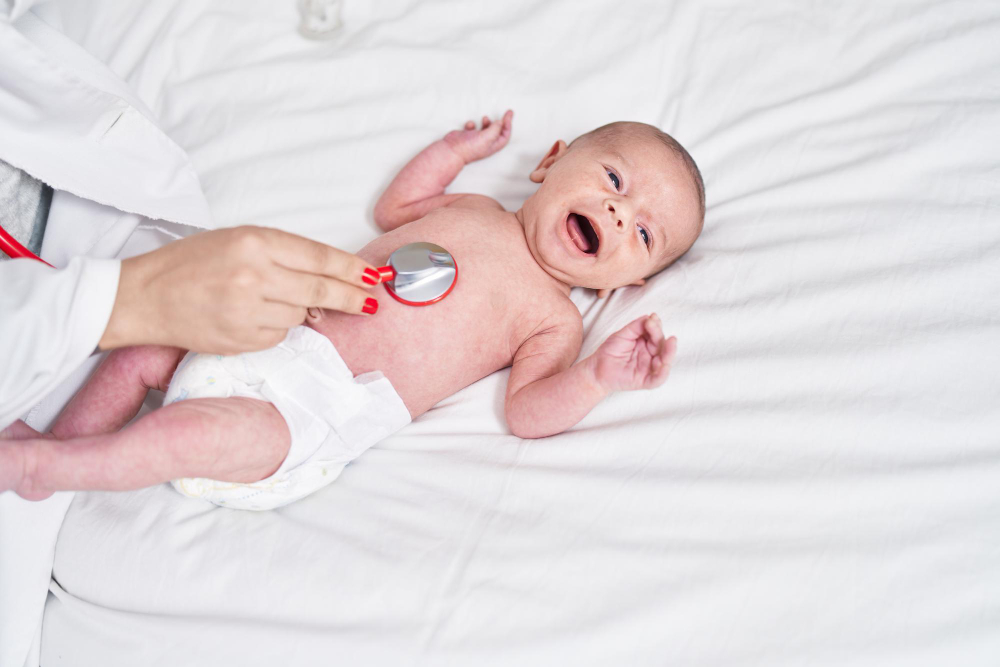
The newborn screening process is quick and safe. Usually, it happens within the first 24 to 48 hours after birth. Here is what happens:
Because the test is fast, your baby will only feel a brief pinch. Most babies calm down quickly after the heel prick.
What Parents Can Expect Before, During, and After the Test
Before the test, your doctor or nurse will explain the process. During the test, you can comfort your baby by holding or feeding them. After the test, the hospital sends the blood sample to a lab. Results usually come back within a few days. If the test finds a possible problem, your doctor will contact you for more tests. However, most babies have normal results.
Benefits and Limitations of Newborn Screening
Newborn screening offers many benefits:
However, there are some limitations:
Even so, the benefits of newborn screening far outweigh the risks.